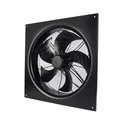
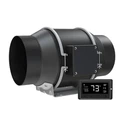
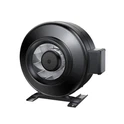
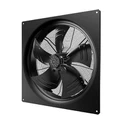
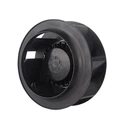
Inspection Procedures for Axial-Flow Ventilation Fans
1、Exterior Inspection:
Check the external condition of the axial-flow ventilation fan for any noticeable damage, deformation, or corrosion, ensuring the integrity of the casing and impeller.
2、Motor Inspection:
Examine the motor's operation, including parameters such as sound, temperature, and vibration, to ensure it operates within the normal range.
3、Lubrication System Inspection:
Inspect the lubrication system, including the quality and level of oil, to ensure the proper functioning of bearings and other lubricated components.
4、Impeller and Bearing Inspection:
Check the impeller and bearings for any signs of damage or wear, ensuring smooth operation.
5、Duct Inspection:
Examine the ventilation system's ducts to ensure they are clear and unobstructed, preventing blockages that could impact ventilation effectiveness.
6、Drive System Inspection:
If the ventilation fan utilizes a drive system, inspect components such as belts, gears, and couplings to ensure they are functioning properly.
7、Electrical System Inspection:
Check the electrical system of the ventilation fan, including cables, connectors, and switches, to ensure the safety and reliability of electrical equipment.
8、Performance Testing:
Conduct performance tests on the ventilation fan to verify parameters such as airflow, static pressure, and power consumption, ensuring compliance with design requirements.
9、Safety Facilities Inspection:
Inspect safety facilities of the ventilation fan, including overload protection, temperature protection, and emergency stop devices, ensuring safe operation.
10、Record and Document Check:
Review the operational records and relevant documents of the ventilation fan to ensure the completeness of maintenance and inspection records
|
|
|
|
|
|


Other:
- During maintenance with blade removal, do not relocate the blades to new positions. Damaged blades must be replaced with products manufactured by the fan's factory, with the replacement weight not differing by more than 100 grams from the original.
- Ensure that spare ventilation fans and motors are in good condition and can be quickly started at any time.
- Perform periodic checks on the excitation cabinet of the main fan to keep it in good condition.
- In case of abnormal situations during the operation of the fan, maintenance personnel must promptly arrive on-site for resolution.
- To ensure proper oil level, flexible operation of the operating mechanism, and intact locking, it is necessary to inspect the wind door winch and transmission device. This includes ensuring smooth rotation, reliable operation, proper lubrication, and the completeness and tightness of all components, free from corrosion. Deformations and rust on the wind door must also be checked. Verify the normal operation of the fan bearings and check for loose bolts. Additionally, it is important to ensure the completeness and integrity of all safety facilities.
- For the ten-day inspection, a dynamic inspection of the operating main fan should be organized every ten days. This involves checking the temperature of each bearing, negative pressure indication, and the normal operation of over-temperature alarm devices. The operation of the excitation cabinet and oil-immersed variable resistor should also be inspected.
- Annually, it is necessary to conduct two cleanings and inspections of the motor and fan bearings. Use N100# machine oil for motor bearings and lithium-based grease for fan bearings. It is important to check for obvious wear or damage to inner and outer bearing races. Additionally, an annual cleaning and inspection of the gear coupling should be performed, and the oil should be changed in October. Wear on all components should be monitored, and if tooth thickness wear reaches 5%, replacement is necessary.
- During maintenance with blade removal, it is important not to relocate the blades to new positions. Damaged blades must be replaced with products manufactured by the fan's factory, with the replacement weight not differing by more than 100 grams from the original. It is also essential to ensure that spare ventilation fans and motors are in good condition and can be quickly started at any time. Periodic checks on the excitation cabinet of the main fan should be performed to keep it in good condition. In case of abnormal situations during the operation of the fan, maintenance personnel must promptly arrive on-site for resolution.