Introduction
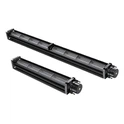
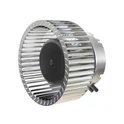
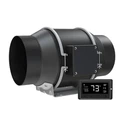
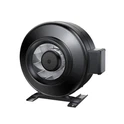
The cross-flow fan, also known as a lateral flow fan, is a type of ventilation equipment with a simple structure and wide application. It consists of components such as a motor, impeller, air duct, and protective net. During operation, the motor drives the impeller to rotate, thereby generating airflow.
Working Principle
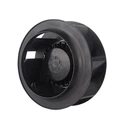
The impeller of the cross-flow fan is multi-bladed and elongated cylindrical, featuring forward multi-wing profiled blades. Air flows into the impeller opening, passes through the interior of the impeller, and exits through the opposite side of the blade grid into the air duct, forming the working airflow.
Applications
Cross-flow fans find widespread applications, mainly used for:
Exhaust fans: Installed in kitchens, bathrooms, factories, and other places for smoke exhaust ventilation.
Induced draft fans: Employed in boilers, kilns, and other equipment for induced draft.
Pneumatic fans: Utilized in pneumatic conveying systems.
Suction fans: Applied in material suction, dust collection, and other processes.
Circulation fans: Used for indoor air circulation.
DC fans: Employed for heat dissipation in electronic devices.

Comparison with Other Fans
Comparison with axial flow fans:
Airflow direction: The airflow direction of cross-flow fans is perpendicular to the motor shaft, while that of axial flow fans is parallel to the motor shaft.
Pressure: Cross-flow fans generate higher pressure compared to axial flow fans.
Efficiency: Cross-flow fans have lower efficiency compared to axial flow fans.
Noise: Cross-flow fans produce greater noise compared to axial flow fans.
Comparison with wall-mounted axial flow fans, tunnel axial flow fans, flow fans, and square wall-mounted axial flow fans:
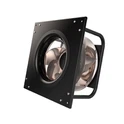
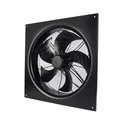
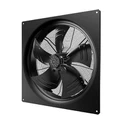
These fans are all types of axial flow fans with similar structures and working principles to cross-flow fans, but they have certain specificities.
For instance, wall-mounted axial flow fans are suitable for installation on walls, tunnel axial flow fans are suitable for tunnel ventilation, and square wall-mounted axial flow fans are suitable for square wall installation.
Comparison with fresh air fans:
Fresh air fans are a type of fan developed in recent years, mainly used for fresh air systems.
Fresh air fans convey outdoor fresh air into indoor spaces, improving indoor air quality.
Exhaust Fans
Exhaust fans are indispensable ventilation equipment in places such as kitchens, bathrooms, and factories. They expel harmful substances such as smoke, dust, and odors, maintaining fresh indoor air.
Exhaust Fan Purchasing Guide
When purchasing exhaust fans, the following factors should be considered:
Airflow rate: An important indicator of exhaust fans, the airflow rate should be selected based on the size of the space.
Noise: Exhaust fans generate a certain level of noise during operation, so products with lower noise levels should be chosen.
Power: The power of exhaust fans determines their energy consumption, so energy-efficient products should be chosen.
Brand: Renowned brands of exhaust fans should be selected for better quality assurance.
Cross Flow Fan Price
The price of cross-flow fans varies depending on factors such as model, functionality, and brand, generally ranging from tens to thousands of dollars.
Case Study
Longwell Cross-flow Fan: Ningbo Longwell Electrical Technology Co., Ltd. (LONFELL) is a reputable manufacturer and trader of fans, offering reliable quality and excellent performance in their products.
For further information, please do not hesitate to contact us.