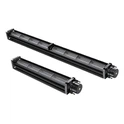
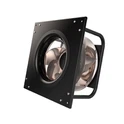
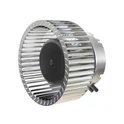
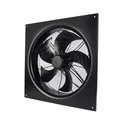
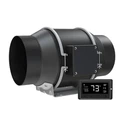
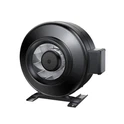
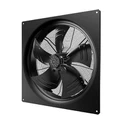
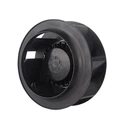
What is Explosion-Proof Fan: Safety, Applications, and Maintenance Guide
I. Overview of Explosion-Proof Fans
Explosion-proof fans are specialized devices designed to ensure safe operation in hazardous environments. They are primarily used in industrial production sites and chemical equipment where flammable gases exist, aiming to prevent explosion accidents. These fans are designed with special processes to ensure that rotating components do not produce sparks in high concentrations of flammable gases, thereby avoiding igniting these gases and preventing severe consequences.

II. Scope and Characteristics of Applications
Explosion-proof fans are suitable for explosive gas environments in Zone 1 and Zone 2, including explosive gas environments of Class IIA, IIB, and temperature groups T1 to T4. They are widely used in hazardous environments such as petroleum refining, storage, chemical industry, medical facilities, military industries, and military facilities.
Their characteristics include:
- Explosion-proof compliance: Designed to comply with the standards for explosive gas environments in Zone 1 and Zone 2, and the strict standards of Class IIA, IIB explosive gas environments and temperature groups T1 to T4, ensuring safe operation in these hazardous environments.
- Corrosion resistance: Using materials with good corrosion resistance to counter possible exposure to chemicals or corrosive gases, extending equipment lifespan.
- Flexible installation and customization: Providing various mounting methods and customization options tailored to specific client requirements, including size, power, and other specific preferences.
- Environmental and energy-saving design: Designed with environmental and energy-saving principles to reduce energy consumption while avoiding excessive environmental burdens.
- Low noise design: Optimized design and materials to reduce noise levels, minimizing disturbances to the surrounding environment and personnel.
- Human-centric considerations: Focusing on personnel safety and environmental protection by providing a well-ventilated environment while ensuring the safety of operators and equipment.

III. Composition of Explosion-Proof Axial Fans
Explosion-proof axial fans, as a type of explosion-proof fan, typically consist of several key components:
1. Explosion-proof motor:
An integral part of explosion-proof axial fans, the explosion-proof motor has a special design allowing safe operation in explosive environments. Manufactured using special materials and following strict explosion-proof standards and specifications in electrical design to prevent electrical sparks in hazardous environments, reducing explosion risks.

2. Fan blades:
Fan blades are critical components of explosion-proof axial fans, generating airflow through rotation. Usually made of corrosion-resistant materials such as aluminum alloy or stainless steel to withstand possible corrosive gases or liquids. The design and shape of the fan blades can be optimized according to the fan's performance requirements and the characteristics of the working environment.

3. Fan casing (fan housing):
The fan casing houses the fan blades and guides airflow; it's also known as the fan housing. Typically made of high-quality welded steel plates, possessing strong corrosion resistance and structural strength. Its design aims to ensure efficient airflow transfer and stable performance.

4. Safety grids or guards:
Explosion-proof fans may be equipped with safety grids or guards to prevent foreign objects from entering and protect internal components. These grids or guards are usually made of high-strength metal materials, ensuring safety without affecting the normal operation of the fan.

5. Mounting brackets or fixing equipment:
Fans typically require mounting brackets or fixing equipment for installation and securing them in the desired positions. These brackets or fixing equipment must meet specific installation requirements to ensure the stability and safety of the fan.

6. Other accessories:
Apart from the primary components mentioned above, explosion-proof axial fans may come with additional accessories such as temperature sensors, vibration monitors, lubrication systems, among others. These accessories aid in monitoring the fan's operational status, providing extra protection or adjustment functionalities.
These constituent elements collectively ensure the safe operation of explosion-proof axial fans in hazardous environments, designed and customized according to specific environmental and usage requirements.
IV. Safety and Application Scenarios
Safety has always been a crucial consideration factor in industrial production and daily life. Explosion-proof fans serve as reliable safety barriers, playing a significant role in safeguarding lives and property. Their applications are not limited to industrial production sites but also extensively used in a range of flammable and explosive locations, such as chemical plants, gas stations, among others. In these places, explosion-proof fans effectively eliminate combustible gases, reduce explosion risks, and ensure the safety of personnel and equipment.
In everyday life, explosion-proof fans also play a vital role. In adverse environments like high temperatures or humidity, these fans provide effective ventilation and cooling. This not only helps maintain a favorable working environment but also ensures the health and safety of personnel, ultimately enhancing work efficiency.
Besides their widespread applications in industries and daily life, explosion-proof fans are equally critical in military and medical fields. In military facilities, one of the main tasks of explosion-proof fans is to eliminate combustible gases, a crucial job for ensuring the safety of military equipment and personnel. They effectively maintain the gas environment within facilities, preventing potential explosion risks, and providing necessary safety measures for military activities.
In the medical field, explosion-proof fans provide high-quality ventilation, playing a crucial role in ensuring patients' health and safety. In medical facilities, an effective ventilation system can eliminate harmful gases and bacteria, maintain fresh air, and reduce the risk of cross-infection, creating a safe and healthy working and treatment environment for medical staff and patients.
V. Design Considerations and Environmental Factors
Explosion-proof fan design emphasizes user-friendliness and environmental protection. Using low-noise design principles, these fans focus on reducing noise generation. With specially designed mechanisms and materials, their operation generates minimal noise, improving the working environment, reducing disturbances to the surrounding environment and personnel, and enhancing equipment comfort.
Additionally, by optimizing fan structures, improving motor efficiency, and reducing energy consumption, these designs effectively lower the fan's energy consumption. This not only aids in reducing operational costs for businesses but also positively impacts the environment by reducing carbon emissions, making a substantial contribution to environmental conservation efforts.
VI. Importance of Maintenance and Upkeep
Maintenance and upkeep are crucial for the normal operation and long-term usage of explosion-proof fans. The reliability and stability of explosion-proof fans are directly related to the workplace's safety and production efficiency. Therefore, maintenance and upkeep are key to ensuring the continued efficient operation of explosion-proof fans.
Firstly, regular maintenance helps identify and promptly address potential issues, reducing the risk of equipment failures. Regularly checking various components of the explosion-proof fan, including but not limited to the motor, fan blades, and ducts, helps identify issues such as abnormal operation, wear, or looseness. Regular maintenance allows addressing these problems promptly, preventing minor faults from evolving into severe issues and ensuring the fan's stable operation.
Secondly, regular cleaning and maintenance are crucial to maintaining stable fan performance. Removing dust, debris, and other particles from inside the fan helps keep components clean and intact, reducing friction and overheating caused by dirt, thereby extending the lifespan of components.
Moreover, timely replacement of worn-out components is an essential part of maintenance. When worn or aged components are found within the fan, timely replacement with components that meet specifications ensures the fan's normal operation.
Maintaining records is also crucial. Recording maintenance information such as timing, content, and replaced parts helps track the maintenance history of explosion-proof fans. This aids in developing more scientific and reasonable maintenance plans and provides reference and guidance for subsequent maintenance tasks.
The following are key points in the maintenance process:
1. Regular inspection and cleaning: Inspect and clean the fan regularly while taking care not to damage its components.
2. Component replacement: Promptly replace worn or damaged parts with components compatible with the original equipment
3. Operational parameter adjustments: Adjust fan operational parameters as needed to suit the working environment.
4. Record maintenance information: Record maintenance timing, content, replaced parts, etc., for reference purposes.
VII. Other Considerations During Maintenance
1. Anti-corrosion measures: Explosion-proof fans may come into contact with corrosive gases or liquids during operation, potentially damaging fan components. Therefore, when selecting and using explosion-proof fans, their corrosion resistance must be considered. Measures such as coating with anti-corrosion coatings or using corrosion-resistant materials enhance the fan's durability in corrosive environments. Regular inspection, preventive maintenance, timely cleaning, and coating with anti-corrosion coatings effectively protect fan components from corrosion damage.
2. Maintaining sealability: Explosion-proof fans need to maintain good sealing performance during operation to prevent leakage of hazardous substances like combustible gases. Regularly inspecting the fan's sealing components, such as seals or joints, ensures their integrity and tightness. When decreased sealing performance or damage is detected, timely repair or replacement prevents the leakage of hazardous substances, ensuring the safety of the working environment.
3. Installation compliance: During the fan installation process, relevant standard requirements should be followed to ensure its proper operation and service life. Special attention needs to be paid to details such as fan positioning, angle adjustments, and fixing methods during the installation process. Ensuring the fan is firmly and properly installed in the designated position adheres to safety and stable operation standards.
4. Operational monitoring: Continuous operational monitoring is crucial for explosion-proof fans as it helps understand the fan's operating status in real-time and identify potential issues early. Monitoring includes recording parameters like air volume, air pressure, temperature, vibration, among others, and observing the fan's working state and unusual sounds. Regular monitoring helps identify abnormalities in fan operation promptly, enabling preventive measures or timely repairs to ensure the fan's continuous and stable operation.
5. Maintenance personnel requirements: Personnel maintaining explosion-proof fans need to possess the relevant professional knowledge and skills to ensure correct operation and maintenance. Training personnel to understand safety operating procedures and maintenance processes and strictly adhering to operation guidelines ensures the safety and health of personnel during maintenance processes.

Summary
Explosion-proof fans are specialized devices designed for hazardous environments, used in industrial, daily life, medical, and military facilities. Their crucial role lies in eliminating combustible gases, reducing explosion risks, and safeguarding lives and property. They are designed with features like environmental friendliness, low noise, and energy efficiency and play vital roles across various domains.
Additionally, maintenance and upkeep are crucial for the long-term efficient operation of explosion-proof fans. Regular checks, cleaning, component replacements, and corrosion prevention are vital steps in maintenance. Maintenance personnel require professional knowledge and skills, strictly adhering to operational guidelines to ensure safe operations.
If you have any further questions, please feel free to call Longwell Technology Team. We will provide you with professional and prompt solutions for your fan-related needs. You can also visit our official website for more detailed information.