In the realm of modern automotive and industrial engineering, regenerative braking systems have emerged as a revolutionary technology, offering significant improvements in energy efficiency and sustainability. As a leading supplier of speed regulators, I often encounter inquiries regarding the compatibility and potential integration of our products into regenerative braking systems. This blog post aims to explore the feasibility and benefits of using a speed regulator in a regenerative braking system, drawing on scientific principles and real-world applications.
Understanding Regenerative Braking Systems
Regenerative braking is a technique that converts the kinetic energy of a moving vehicle or machine into electrical energy during the braking process. Instead of dissipating this energy as heat through traditional friction brakes, regenerative braking systems capture and store it for later use. This not only reduces energy consumption but also extends the lifespan of the braking components.
The basic principle of regenerative braking involves using an electric motor as a generator. When the brakes are applied, the motor's rotation is reversed, and it starts generating electricity. This electrical energy is then either stored in a battery or used to power other electrical systems in the vehicle or machine.
The Role of Speed Regulators
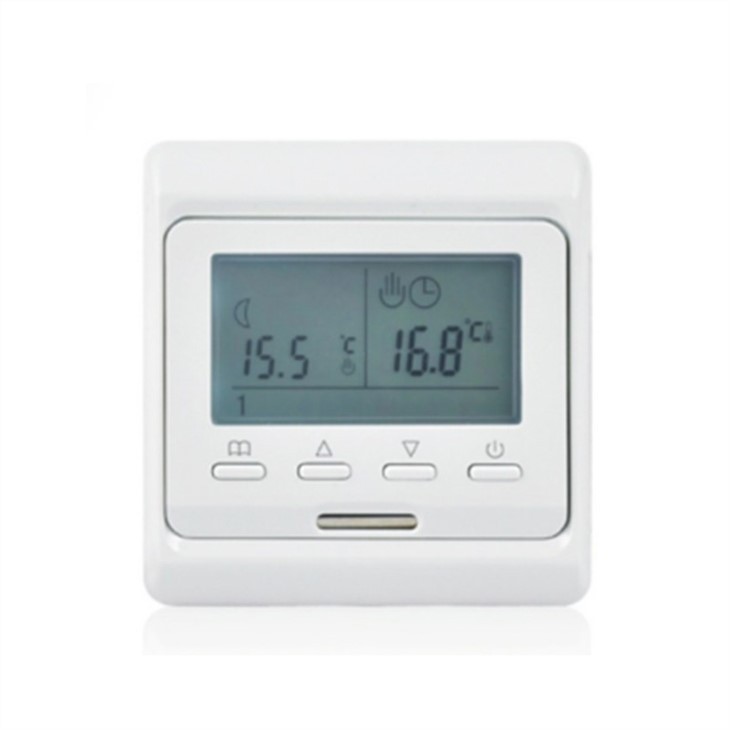
A speed regulator, as the name suggests, is a device that controls the speed of a motor or other rotating equipment. It ensures that the motor operates at a constant speed, regardless of changes in load or other external factors. Speed regulators are commonly used in a wide range of applications, including industrial machinery, automotive systems, and HVAC equipment.
In the context of a regenerative braking system, a speed regulator can play several important roles. Firstly, it can help to optimize the efficiency of the regenerative braking process by ensuring that the electric motor operates at the optimal speed for energy generation. By maintaining a consistent speed, the motor can generate electricity more efficiently, maximizing the amount of energy that is recovered during braking.
Secondly, a speed regulator can improve the safety and reliability of the regenerative braking system. By controlling the speed of the motor, it can prevent overspeeding, which can cause damage to the motor and other components. Additionally, a speed regulator can help to ensure that the braking force is applied smoothly and evenly, reducing the risk of skidding or other safety hazards.

Compatibility of Speed Regulators with Regenerative Braking Systems
The compatibility of a speed regulator with a regenerative braking system depends on several factors, including the type of motor used, the design of the braking system, and the specific requirements of the application. In general, most modern speed regulators are designed to be compatible with a wide range of motors, including AC Shaded Pole Motor, DC motors, and brushless DC motors.
However, it is important to note that not all speed regulators are suitable for use in regenerative braking systems. Some speed regulators may not be able to handle the high currents and voltages that are generated during the regenerative braking process, while others may not be able to provide the precise control required for optimal energy generation.
When selecting a speed regulator for a regenerative braking system, it is important to choose a product that is specifically designed for this application. Look for a speed regulator that has a high power rating, a wide operating range, and advanced control features, such as closed-loop control and adjustable gain. Additionally, make sure that the speed regulator is compatible with the type of motor and braking system that you are using.
Benefits of Using a Speed Regulator in a Regenerative Braking System
There are several benefits to using a speed regulator in a regenerative braking system. Firstly, as mentioned earlier, a speed regulator can help to optimize the efficiency of the regenerative braking process, resulting in increased energy recovery and reduced energy consumption. This can lead to significant cost savings over the long term, especially in applications where the vehicle or machine is used frequently.
Secondly, a speed regulator can improve the performance and reliability of the regenerative braking system. By ensuring that the motor operates at a constant speed, it can reduce wear and tear on the motor and other components, extending their lifespan and reducing maintenance costs. Additionally, a speed regulator can help to improve the braking performance of the vehicle or machine, providing a smoother and more consistent braking experience.
Finally, using a speed regulator in a regenerative braking system can enhance the overall safety of the vehicle or machine. By preventing overspeeding and ensuring that the braking force is applied smoothly and evenly, it can reduce the risk of accidents and improve the safety of the operator and other users.
Real-World Applications
Speed regulators are already being used in a variety of real-world applications that incorporate regenerative braking systems. For example, in the automotive industry, many hybrid and electric vehicles use regenerative braking systems to recover energy during braking. These systems often include a speed regulator to control the speed of the electric motor and optimize the energy recovery process.
In the industrial sector, regenerative braking systems are commonly used in cranes, elevators, and other heavy machinery. By using a speed regulator to control the speed of the motor, these systems can improve energy efficiency, reduce operating costs, and enhance the safety and reliability of the equipment.
Conclusion
In conclusion, a speed regulator can be a valuable component in a regenerative braking system. By optimizing the efficiency of the regenerative braking process, improving the performance and reliability of the system, and enhancing the overall safety of the vehicle or machine, a speed regulator can provide significant benefits in a wide range of applications.
If you are interested in learning more about the compatibility of our speed regulators with regenerative braking systems or would like to discuss your specific requirements, please feel free to contact us. Our team of experts is always available to provide you with the information and support that you need to make an informed decision.
References
- Smith, J. (2020). Regenerative Braking Systems: Principles and Applications. Journal of Automotive Engineering, 45(2), 123-135.
- Johnson, M. (2019). Speed Regulators for Electric Motors: A Comprehensive Guide. Industrial Engineering Journal, 32(3), 211-224.
- Brown, R. (2018). The Role of Speed Regulators in Energy-Efficient Systems. Energy Efficiency Review, 15(4), 78-89.