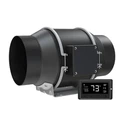
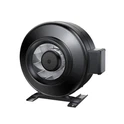
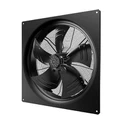
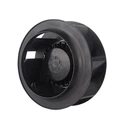
The installation, commissioning, and operational checks of an axial flow fan are fundamental aspects within its knowledge system and are considered essential. Therefore, it is necessary to delve into a deeper understanding. The following information provides additional professional insights.
I. Installation of Axial Flow Fan
The installation of an axial flow fan includes pre-installation preparation and the installation process.
1. Pre-installation Preparation
(1) Unboxing: Inspect whether all components of the fan are present and undamaged. Pay close attention to any evident damages or deformities, particularly with the diffuser at the top. Check for secure connections between components, ensure smooth rotation of the impeller, and promptly address any issues through repair or adjustments.
(2) Foundation Inspection: Examine the installation base of the fan for adequate strength and rigidity to withstand operational loads. Additionally, verify the dimensions of the base for connection with the fan, ensuring compliance with design specifications.
2. Installation
(1) For floor-mounted installations, secure the vibration isolators onto the fan base using connecting bolts. Adjust the height of each isolator using shims, fix the fan onto the connecting steel plate using fastening bolts welded onto the base. The holes on the base align with the embedded bolts for direct connection.
(2) For sidewall-mounted installations, the basic requirements align with the previous installation method. However, the brackets need to be designed as cantilever supports, ensuring sufficient strength and rigidity.
(3) For suspended installations, connect the vibration isolators to the fan using bolts, symmetrically placing them on both sides of the fan's center of gravity. Then, hoist the fan and insert it into the suspension bracket. Users can customize the height of the suspension bracket.
(4) For vertical installations, the process is similar to floor-mounted installations. However, there are higher demands on the strength and rigidity of the fan base. Flexible joints must be used to connect the fan to both end pipes to isolate vibrations and protect the fan.

II. Commissioning of Axial Flow Fan
1. Post-installation, before starting the fan, check its smooth rotation manually, ensuring no sticking or friction of the blades and no debris in the pipes.
2. Check if the dampers in the pipes are open and ensure all personnel are away from the fan.
3. Start the fan and verify that the direction of rotation aligns with the indicated mark. Upon confirmation, run the fan for a trial period of 10-30 minutes.
4. After the trial run, inspect the blades and connecting bolts for any looseness. Only proceed with operation if everything is normal; if issues arise, promptly address and repair them.
III. Operational Checks of Axial Flow Fan
1. During operation, monitor the motor's current and its variations as it signifies both the fan load and potential anomalies. Additionally, regularly check for vibrations, friction, or any unusual noises.
2. If the axial flow fan experiences strong vibrations, collisions, sudden increases in motor current surpassing the rated current, or a rapid rise in motor bearing temperature, immediately stop the fan for inspection, as it may indicate significant issues with the fan.