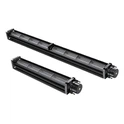
Keeping Your Cross-Flow Fan Running Smoothly: A Comprehensive Guide to Maintenance
Cross-flow fans are workhorses in various industrial and commercial settings, providing efficient ventilation and air circulation. However, like any mechanical equipment, they require regular maintenance to ensure optimal performance, extended lifespan, and safety. This guide delves into the critical aspects of cross-flow fan maintenance, from understanding maintenance cycles to specific tasks and troubleshooting tips.

Understanding Maintenance Cycles
There's no one-size-fits-all answer to how often you should maintain your cross-flow fan. The maintenance cycle primarily depends on three factors:
Manufacturer's Recommendations: The manufacturer's manual is your first point of reference. It will outline specific maintenance intervals for cleaning, lubrication, and inspections. These recommendations account for the fan's design, intended use, and expected operating conditions.
Fan's Use Environment: The environment where your fan operates significantly impacts maintenance needs. Harsh environments like high temperatures, humidity, dust, or corrosive fumes accelerate wear and tear, necessitating more frequent maintenance. Clean, controlled environments allow for longer intervals between maintenance activities.
Actual Operating Condition: The intensity and frequency of fan usage play a vital role. Fans running continuously in heavy-duty applications demand more frequent attention compared to those used intermittently in less demanding environments.
By considering these factors, you can establish a customized maintenance schedule. Here's a general breakdown of common maintenance frequencies:
Daily: Visually inspect the fan for any abnormalities like excessive vibration, unusual noises, or loose parts.
Weekly: Clean the fan surface and surrounding area to remove dust and debris accumulation.
Monthly: Perform a more detailed inspection, focusing on blade damage, belt tension (if applicable), and motor temperature. Some manufacturers might recommend cleaning and lubrication at this interval.
Yearly: Schedule a comprehensive inspection by a qualified technician. This might involve tasks like vibration analysis, bearing checks, and in-depth motor evaluation.
Remember: These are general guidelines. Always prioritize the manufacturer's recommendations and adjust the schedule based on your specific fan' use environment and operation conditions.
Essential Maintenance Activities
Now that we understand the importance of customized maintenance cycles, let's delve into the specific tasks involved in keeping your cross-flow fan running smoothly:
Cleaning: Dust, dirt, and debris buildup can restrict airflow, reduce fan efficiency, and lead to motor overload. Regularly clean the fan housing, blades, and inlet/outlet grills using a soft cloth or brush. If heavily soiled, consider using a gentle cleaning solution (consult the manufacturer's manual for specific cleaning agents to avoid damaging the fan).
Inspection: Visual inspection forms the backbone of any maintenance routine. Look for:
Blade Damage: Inspect for cracks, bends, or imbalances in the blades, which can cause vibration and inefficiency.
Fastener Tightness: Ensure all nuts, bolts, and screws are securely fastened to prevent parts from coming loose and causing damage during operation.
Motor Condition: Look for signs of overheating, oil leaks, or unusual noises emanating from the motor.
Lubrication: Follow the manufacturer's instructions for lubrication frequency and type of lubricant for bearings or other moving parts. Over-lubrication or using the wrong lubricant can harm the equipment.
Belt Tension (if applicable): Check for proper belt tension to ensure efficient power transmission from the motor to the fan blades. Loose belts will slip, reducing fan speed and performance. Overly tight belts put additional strain on the motor and bearings.
Record Keeping: Maintain a logbook to document the date of each maintenance activity, the tasks performed, and any observations made during inspections. This record helps track trends, identify potential issues early on, and demonstrate compliance with maintenance protocols.
Safety First: Before performing any maintenance, always turn off the power supply to the fan and secure it with a lockout/tagout procedure to prevent accidental restarts.
Troubleshooting Common Issues
Even with regular maintenance, cross-flow fans can encounter problems. Here's how to handle some common issues:
Reduced Airflow: This could be due to clogged filters, dirty blades, or a worn-out belt. Clean the filters and blades, adjust belt tension, or replace the belt if necessary. If the issue persists, consult a qualified technician.
Excessive Vibration: This can be caused by loose fasteners, unbalanced blades, or worn-out bearings. Check for loose components, inspect blades for damage, and consult a technician if the fan vibrates excessively even after tightening fasteners.
Unusual Noises: Abnormal sounds like grinding or screeching can indicate bearing wear, loose parts, or a failing motor. Stop the fan immediately and investigate the source of the noise.