Unveiling the Inner Workings: A Deep Dive into Cross-Flow Fan Structure
The cross-flow fan, a champion of efficient airflow, boasts a deceptively simple yet meticulously designed structure. Let's delve deeper and explore the key components that orchestrate its smooth operation:
1. The Heart of the Action: The Impeller
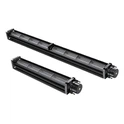
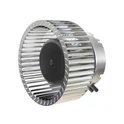
Imagine a cylindrical drum, often crafted from robust aluminum alloy for its high strength, lightweight nature, and exceptional resistance to heat. This is the impeller, the heart of the cross-flow fan. Aluminum ensures the impeller maintains its shape even during extended operation, minimizing deformation.
For applications demanding a larger diameter and slower rotation speeds, engineering plastics come into play. These impellers are meticulously constructed through processes like injection molding and ultrasonic welding, resulting in a cost-effective and lightweight solution.
The impeller's magic lies in its blades, strategically designed to channel airflow parallel to the fan's axis. This unique design sets cross-flow fans apart from their axial counterparts.
2. Channeling the Flow: The Air Duct
The air duct acts as a dedicated pathway, meticulously crafted to efficiently guide the air propelled by the impeller. Common manufacturing methods include:
*Stamping metal sheets: This technique offers a robust and cost-effective solution for shaping the air duct.
*Casting with plastic or aluminum alloy: This method allows for more intricate designs and smoother airflow paths.
Streamline design plays a critical role here. The air duct's shape is meticulously engineered to minimize airflow loss, maximizing the fan's overall efficiency. Imagine a sleek, curved form that effortlessly guides the air, much like a river guiding water.
3. The Powerhouse: The Motor
The motor, the unsung hero, breathes life into the cross-flow fan. It can be powered by either AC or DC electricity, offering flexibility for various applications.
AC motors: These are generally the more budget-friendly option. Common AC motor types in cross-flow fans include shaded pole motors and capacitor starting motors. However, they can generate slightly more noise compared to their DC counterparts.
DC brushless motors: For applications demanding superior efficiency and a longer lifespan, DC brushless motors take the stage. They offer quieter operation and precise control, making them ideal for situations where noise reduction is a priority.
Flexible mounting: The drive motor is strategically positioned for optimal performance. It's usually installed with a degree of flexibility relative to the impeller, ensuring smooth operation and minimizing strain on the . This flexibility also allows for slight adjustments during installation.
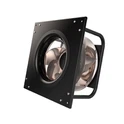
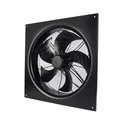
By working in perfect harmony, these core components – the impeller, air duct, and motor – transform the cross-flow fan into a versatile tool for efficient airflow management. From keeping electronics cool to ensuring proper ventilation in confined spaces, the cross-flow fan's well-orchestrated design proves its worth in a multitude of applications.