Variable speed drives (VSDs) have become an integral part of modern HVAC (Heating, Ventilation, and Air Conditioning) systems. As a leading supplier of HVAC components, I've witnessed firsthand the transformative impact that VSDs can have on the efficiency and performance of HVAC systems. In this blog, I'll delve into how variable speed drives work in HVAC components, exploring their functionality, benefits, and applications.
Understanding the Basics of Variable Speed Drives
At its core, a variable speed drive is an electronic device that controls the speed of an electric motor. In HVAC systems, motors are used to power various components such as fans, pumps, and compressors. By adjusting the motor speed, VSDs can precisely regulate the flow of air or water, ensuring that the HVAC system operates at optimal levels.
The basic principle behind a VSD is to convert the incoming AC (alternating current) power into DC (direct current) and then back into AC at a variable frequency and voltage. This allows the drive to control the speed of the motor, as the speed of an AC motor is directly proportional to the frequency of the power supply.
How VSDs Work in HVAC Components
Fans
Fans are one of the most common components in HVAC systems, used to circulate air throughout a building. In traditional HVAC systems, fans typically operate at a fixed speed, which can lead to energy waste and inefficient operation. With a VSD, the fan speed can be adjusted based on the actual demand for air.
For example, during periods of low occupancy or mild weather, the fan speed can be reduced, resulting in significant energy savings. Conversely, during peak demand, the fan speed can be increased to ensure adequate ventilation. This not only improves energy efficiency but also enhances indoor air quality and comfort.
Pumps
Pumps are used in HVAC systems to circulate water for heating and cooling purposes. Similar to fans, pumps in traditional systems often operate at a fixed speed, regardless of the actual demand for water flow. A VSD can adjust the pump speed based on the system's requirements, such as the temperature difference between the supply and return water.
By reducing the pump speed when less water flow is needed, energy consumption can be minimized. Additionally, VSDs can help to maintain a more stable water pressure, which is crucial for the proper operation of the HVAC system.
Compressors
Compressors are the heart of refrigeration systems in HVAC units. They are responsible for compressing the refrigerant gas, which is then used to absorb and release heat. In traditional systems, compressors often operate in an on-off cycle, which can lead to energy inefficiencies and wear and tear on the equipment.
VSDs allow compressors to operate at variable speeds, adjusting the cooling capacity based on the actual load. This means that the compressor can run at a lower speed when the cooling demand is low, reducing energy consumption and extending the lifespan of the compressor.
Benefits of Using VSDs in HVAC Systems
Energy Efficiency
One of the primary benefits of using VSDs in HVAC systems is energy efficiency. By adjusting the motor speed to match the actual demand, VSDs can significantly reduce energy consumption. According to industry studies, the use of VSDs in HVAC systems can result in energy savings of up to 50% compared to traditional fixed-speed systems.
Improved Comfort
VSDs also contribute to improved comfort in buildings. By precisely controlling the speed of fans, pumps, and compressors, HVAC systems can maintain a more consistent temperature and humidity level. This reduces temperature fluctuations and drafts, creating a more comfortable indoor environment for occupants.
Extended Equipment Lifespan
Since VSDs allow motors to operate at variable speeds, they can reduce the stress on the equipment. This results in less wear and tear on the motors, pumps, and compressors, extending their lifespan and reducing the need for frequent maintenance and replacement.
Cost Savings
In addition to energy savings, the use of VSDs can also lead to cost savings in other areas. For example, reduced maintenance and equipment replacement costs can result in significant long-term savings for building owners and operators.
Applications of VSDs in HVAC Systems
Commercial Buildings
In commercial buildings such as offices, shopping malls, and hotels, VSDs are widely used to optimize the performance of HVAC systems. These buildings often have varying occupancy levels and cooling/heating demands throughout the day, making VSDs an ideal solution for energy-efficient operation.
Industrial Facilities
Industrial facilities typically have large HVAC systems to maintain a comfortable working environment and to control the temperature and humidity for manufacturing processes. VSDs can help these facilities to reduce energy consumption and improve the efficiency of their HVAC systems.
Residential Buildings
In residential buildings, VSDs are becoming increasingly popular as homeowners look for ways to reduce their energy bills and improve the comfort of their homes. VSDs can be used in residential HVAC systems to control the speed of fans and pumps, resulting in energy savings and a more comfortable living environment.
Related HVAC Components
As an HVAC components supplier, we offer a wide range of products that work in conjunction with VSDs. For example, our CJX2 AC Contactor is an essential component for controlling the electrical circuits in HVAC systems. It can be used in combination with VSDs to ensure the safe and reliable operation of motors.
Our Temperature Thermostat is another important component that can be used in conjunction with VSDs. The thermostat senses the temperature in the building and sends a signal to the VSD to adjust the motor speed accordingly, ensuring that the desired temperature is maintained.
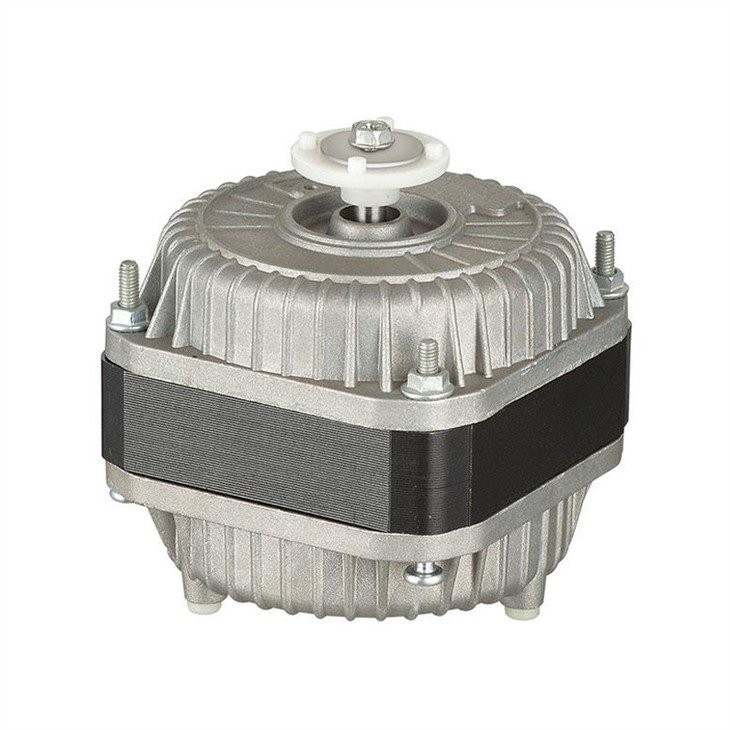

We also offer AC Shaded Pole Motor, which is commonly used in small HVAC fans and blowers. These motors can be controlled by VSDs to adjust the fan speed and improve energy efficiency.
Conclusion
Variable speed drives play a crucial role in modern HVAC systems, offering significant benefits in terms of energy efficiency, comfort, and equipment lifespan. As an HVAC components supplier, we are committed to providing high-quality products and solutions that help our customers to optimize the performance of their HVAC systems.
If you're interested in learning more about how VSDs can benefit your HVAC system or if you're looking for high-quality HVAC components, we encourage you to reach out to us. Our team of experts is ready to assist you with your procurement needs and to provide you with the best solutions for your specific requirements.
References
- ASHRAE Handbook - HVAC Systems and Equipment.
- Energy Star - Commercial Buildings Energy Efficiency Program.
- International Electrotechnical Commission (IEC) standards for variable speed drives.