As a seasoned provider of HVAC components, I understand the pivotal role these parts play in the seamless operation of heating, ventilation, and air conditioning systems. Troubleshooting HVAC components is not just a skill; it's an art that combines technical knowledge, practical experience, and a systematic approach. In this blog, I'll share some comprehensive strategies to help you diagnose and resolve issues with various HVAC components effectively.
Understanding the Basics of HVAC Systems
Before delving into troubleshooting, it's essential to have a solid understanding of how HVAC systems work. An HVAC system is a complex network of components that work together to regulate temperature, humidity, and air quality in a given space. The primary components include the compressor, condenser, evaporator, expansion valve, and various controls and sensors. Each component has a specific function, and any malfunction can disrupt the entire system's performance.

Common HVAC Component Issues and Troubleshooting Steps
Compressor
The compressor is the heart of the HVAC system, responsible for compressing and circulating the refrigerant. Common issues with compressors include overheating, electrical problems, and mechanical failures.
- Overheating: Overheating can be caused by a lack of proper ventilation, a dirty condenser coil, or a refrigerant leak. To troubleshoot, check the condenser coil for dirt and debris and clean it if necessary. Also, ensure that the compressor has adequate ventilation and that the refrigerant levels are correct.
- Electrical Problems: Electrical issues can manifest as a compressor not starting or tripping the circuit breaker. Check the electrical connections, fuses, and relays for any signs of damage or loose connections. If the problem persists, it may be a faulty compressor motor, which may require professional replacement.
- Mechanical Failures: Mechanical failures can include worn-out bearings, broken belts, or a seized compressor. These issues often require professional repair or replacement of the compressor.
Condenser Coil
The condenser coil is responsible for releasing heat from the refrigerant to the outside air. Common issues with condenser coils include dirt and debris buildup, refrigerant leaks, and damage to the fins.
- Dirt and Debris Buildup: A dirty condenser coil can reduce the system's efficiency and cause the compressor to overheat. To clean the condenser coil, turn off the power to the unit and use a soft brush or a coil cleaner to remove the dirt and debris.
- Refrigerant Leaks: Refrigerant leaks can cause the system to lose its cooling capacity and may lead to compressor damage. To detect a refrigerant leak, look for signs of oil stains around the coil or use a refrigerant leak detector. If a leak is detected, it should be repaired by a professional technician, and the refrigerant levels should be replenished.
- Damaged Fins: Bent or damaged fins can restrict airflow through the condenser coil, reducing its efficiency. Use a fin comb to straighten the fins carefully.
Evaporator Coil
The evaporator coil is responsible for absorbing heat from the indoor air. Common issues with evaporator coils include icing, dirt buildup, and refrigerant leaks.
- Icing: Icing on the evaporator coil can be caused by a lack of airflow, low refrigerant levels, or a faulty thermostat. Check the air filter to ensure it is clean and that the blower motor is working correctly. If the problem persists, it may be a refrigerant leak or a faulty thermostat, which should be inspected by a professional.
- Dirt Buildup: Dirt and debris can accumulate on the evaporator coil, reducing its ability to absorb heat. To clean the evaporator coil, turn off the power to the unit and use a coil cleaner or a soft brush to remove the dirt.
- Refrigerant Leaks: Similar to the condenser coil, refrigerant leaks in the evaporator coil can cause the system to lose its cooling capacity. Look for signs of oil stains or use a refrigerant leak detector to identify the leak, and have it repaired by a professional.
Expansion Valve
The expansion valve regulates the flow of refrigerant into the evaporator coil. Common issues with expansion valves include clogging, improper adjustment, and mechanical failures.
- Clogging: A clogged expansion valve can restrict the flow of refrigerant, causing the evaporator coil to ice up. To troubleshoot, check for any debris or contaminants in the valve and clean it if necessary.
- Improper Adjustment: An improperly adjusted expansion valve can lead to inefficient cooling or overheating of the compressor. If you suspect an adjustment issue, it's best to have a professional technician make the necessary adjustments.
- Mechanical Failures: Mechanical failures in the expansion valve can include a stuck valve or a damaged diaphragm. These issues usually require replacement of the expansion valve.
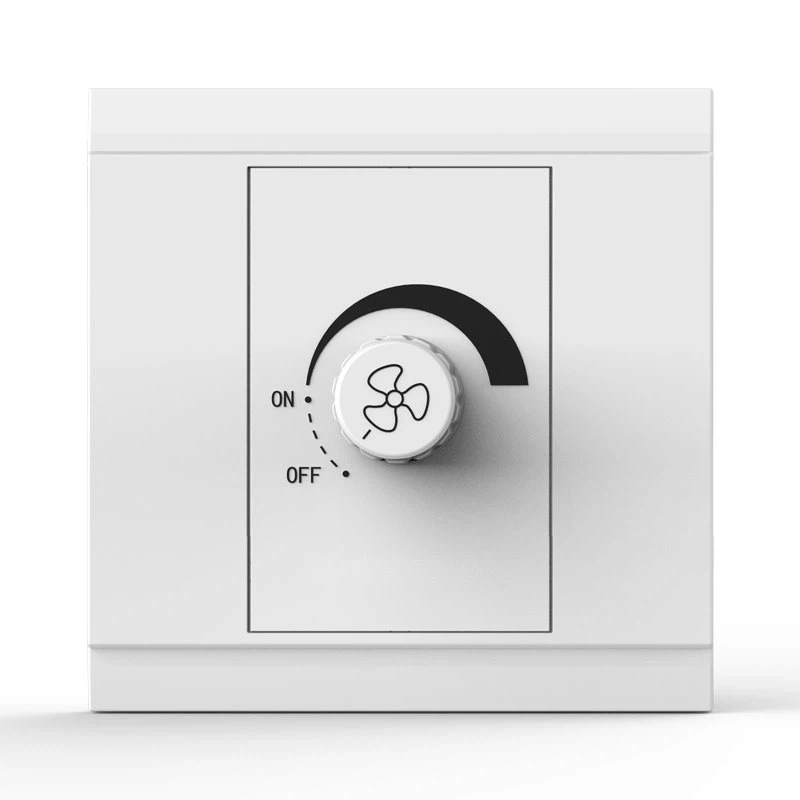
Speed Regulator
Speed regulators are used to control the speed of fans and motors in HVAC systems. Common issues with speed regulators include electrical problems, malfunctioning sensors, and mechanical failures.
- Electrical Problems: Check the electrical connections, fuses, and wiring for any signs of damage or loose connections. If the speed regulator is not receiving power, it may be a blown fuse or a faulty power supply.
- Malfunctioning Sensors: Speed regulators often rely on sensors to detect the system's operating conditions. If the sensors are not working correctly, the speed regulator may not function properly. Test the sensors using a multimeter or other appropriate testing equipment.
- Mechanical Failures: Mechanical failures in the speed regulator can include worn-out gears or a damaged motor. These issues may require replacement of the speed regulator.
Power Relay
Power relays are used to control the electrical power to various components in the HVAC system. Common issues with power relays include contact failure, coil burnout, and overheating.
- Contact Failure: Contact failure can cause the relay to fail to switch on or off, leading to a component not receiving power. Check the relay contacts for signs of arcing or pitting. If the contacts are damaged, the relay may need to be replaced.
- Coil Burnout: A burned-out coil can prevent the relay from functioning. Check the coil for continuity using a multimeter. If the coil is open, the relay should be replaced.
- Overheating: Overheating can be caused by excessive current flow or poor ventilation. Ensure that the relay is properly rated for the load and that it has adequate ventilation.
CJX2 AC Contactor
CJX2 AC contactors are commonly used in HVAC systems to control the power to the compressor and other high-power components. Common issues with CJX2 AC contactors include contact welding, coil failure, and mechanical wear.
- Contact Welding: Contact welding can occur when the contacts in the contactor fuse together due to excessive current or arcing. This can cause the contactor to remain closed, leading to continuous power supply to the component. If contact welding is detected, the contactor should be replaced.
- Coil Failure: A failed coil can prevent the contactor from closing or opening. Check the coil for continuity using a multimeter. If the coil is open, the contactor should be replaced.
- Mechanical Wear: Over time, the mechanical components of the contactor can wear out, leading to improper operation. Inspect the contactor for any signs of wear or damage, and replace it if necessary.
Troubleshooting Tools and Techniques
To effectively troubleshoot HVAC components, you'll need a set of basic tools, including a multimeter, a refrigerant leak detector, a pressure gauge, and a fin comb. Additionally, it's important to follow a systematic approach when troubleshooting, which includes:
- Gathering Information: Talk to the user or the building occupants to understand the symptoms and the history of the problem. This can provide valuable clues about the possible cause of the issue.
- Visual Inspection: Conduct a thorough visual inspection of the HVAC system and its components. Look for any signs of damage, leaks, or loose connections.
- Testing and Measurement: Use the appropriate tools to test and measure various parameters, such as voltage, current, resistance, refrigerant pressure, and temperature. Compare the measured values with the manufacturer's specifications to identify any abnormalities.
- Isolating the Problem: Once you have gathered enough information and conducted the necessary tests, try to isolate the problem to a specific component or area of the system. This will help you focus your troubleshooting efforts and save time.
- Repair or Replacement: Based on your findings, determine whether the component can be repaired or if it needs to be replaced. If you are not confident in your ability to repair the component, it's best to seek professional help.
Conclusion
Troubleshooting HVAC components is a challenging but rewarding task that requires a combination of technical knowledge, practical experience, and the right tools. By understanding the common issues with HVAC components and following a systematic approach, you can effectively diagnose and resolve problems, ensuring the optimal performance of your HVAC system.
If you are facing any issues with your HVAC components or are in need of high-quality replacement parts, we are here to help. As a leading provider of HVAC components, we offer a wide range of products, including Speed Regulator, Power Relay, and CJX2 AC Contactor. Contact us to discuss your requirements and explore how we can assist you in keeping your HVAC system running smoothly.
References
- "HVAC Systems: Design and Installation" by R. M. Coad
- "Refrigeration and Air Conditioning Technology" by William C. Whitman, William M. Johnson, and John Tomczyk