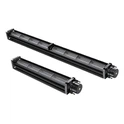
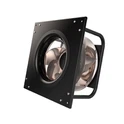
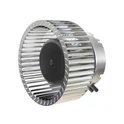
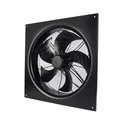
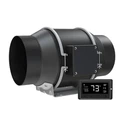
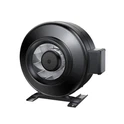
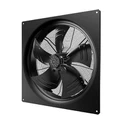
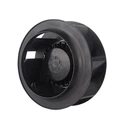
In industrial production, the high-pressure blower is a critical piece of equipment widely utilized across various industries. Its high efficiency, reliability, and versatility play pivotal roles in numerous fields.
Application Industries:
The high-pressure blower finds extensive application across several domains, including but not limited to:
1.Wastewater treatment: used for ventilation, aeration, and dissolved air flotation systems.
2.Mining: providing ventilation to ensure mine safety.
3.Medical equipment: employed in hospitals and laboratories for various gas transmission and handling purposes.
4.Pharmaceuticals: utilized for mixing, drying, and conveying powders and granules.
5.Food processing: employed for ventilation, dehydration, and conveying.
Features:
1.High-pressure capacity: capable of delivering high-pressure airflow suitable for scenarios requiring robust ventilation.
2.High efficiency and energy-saving: employs advanced technology to enhance efficiency and reduce energy consumption.
3.Reliability and stability: well-designed for higher reliability and stability, enabling extended periods of stable operation.
4.Versatility: adaptable for various gas treatments and transmission, exhibiting excellent adaptability.
|
|
 |
|


Selection:
When selecting a high-pressure blower, several key factors need consideration:
1.Working pressure and flow requirements: determine the necessary pressure and flow based on specific application needs.
2.Energy efficiency: consider the equipment's energy utilization efficiency, opting for high-efficiency products to lower operational costs.
3.Durability and maintainability: select reputable brands and models known for quality, reliability, and ease of maintenance.
Common Faults and Troubleshooting:
1.Overheating: could result from prolonged operation or overloading. Solutions include reducing loads, enhancing cooling, or inspecting the equipment's ventilation conditions.
2.Noise: might be due to component wear or improper installation. Check components, reinstall, or replace damaged parts.
3.Low efficiency: potential causes may involve air leaks or worn-out parts. Inspect and repair air leakage points, regularly maintain, and replace vulnerable components.
As a crucial equipment in industrial production, the high-pressure blower plays an irreplaceable role in improving production efficiency, quality, and safety. Therefore, reasonable selection, proper use, and regular maintenance will ensure stable operation, extend equipment lifespan, and enhance production efficiency.
We hope this article provides you with a deeper understanding of high-pressure blowers and offers assistance in their selection, use, and maintenance processes.