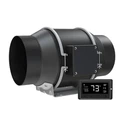
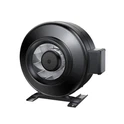
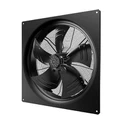
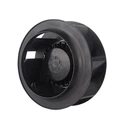
These are essential details that users need to understand to correctly operate a blower fan and avoid damaging it.
Requirements for Using a Blower Fan
(1) The temperature of the inlet gas should not exceed 40°C.
(2) The solid particle content in the gas should not exceed 100 mg/m3, with particle size not exceeding half of the blower's small working clearance.
(3) When the conveyed medium is gas, its coal tar specifications should meet the requirements of gas design standards.
(4) The bearing temperature should not exceed 95°C.
(5) The lubricating oil temperature should not exceed 85°C.
(6) Operation should not exceed the motor's rated values.
(7) Before formal production operation, the blower fan must undergo a mechanical test to verify the correct installation and eliminate any abnormal issues during operation.
(8) When using roller bearings, use molybdenum disulfide grease No. 2 or No. 3, and the grease filling should be about half to two-thirds of the bearing housing volume. Excessive grease can lead to elevated bearing temperatures. For blower fans with sliding bearings, follow the operating procedures.

Starting the Blower Fan
(1) Start the electric oil pump in the oil station and check the oil level in the tank.
(2) Check the lubricating oil levels in all bearing liners of the blower.
(3) The oil pressure before entering the bearing should not be lower than 0.5 MPa.
(4) Start the electric motor according to the specified usage and maintenance regulations. During startup, pay attention to the current value indicated on the ammeter.
(5) Close the inlet and outlet valves at startup. Gradually open the inlet and outlet valves as the blower fan reaches normal speed, and monitor whether the current remains within the motor's rated current. After normal operation, strictly prohibit closing the inlet or outlet valves.
(6) During startup, carefully listen to any sounds from inside the blower fan and pay special attention to the performance of bearings, seals, and other components.
(7) It is not allowed to directly recirculate exhaust gases from the discharge outlet into the blower fan's inlet for an extended period. This will affect the blower's safety. If recirculation is necessary, cooling measures must be employed.
(8) When the blower fan reaches its rated speed, the oil pressure gauge should indicate a value above 0.5 MPa. At this point, observe the oil pressure and the flow of lubricating oil in the bearings.
(9) When the oil temperature at the outlet of the oil cooler reaches 30°C, supply cooling water to the oil cooler to maintain the oil temperature between 30–45°C. The water pressure for the oil cooler should be lower than the oil pressure.
Stopping the Blower Fan
(1) Close the throttle valve in the blower fan's inlet pipe.
(2) Ensure that the oil station continues to supply oil. If the electric current suddenly stops, the oil in the elevated oil tank will provide lubrication for the bearings.
(3) Following the usage and maintenance regulations for the electric motor, shut down the electric motor, ensuring that the oil pressure in the oil circuit remains above 0.5 MPa.
(4) Only after the blower fan has completely stopped rotating and 20 minutes have passed, can you stop the operation of the thin oil station. This should continue until the oil temperature flowing out of all bearings drops below 45°C.
(5) Close the cooling water gate.
Post-Stopping Work for the Blower Fan
(1) Close the gate valves in the blower fan's inlet and outlet pipes.
(2) Clean the dirt collected on the impeller through inspection holes.
(3) Maintain the unit and work area cleanliness and hygiene.